
Are Your Locs Causing Hair Loss?
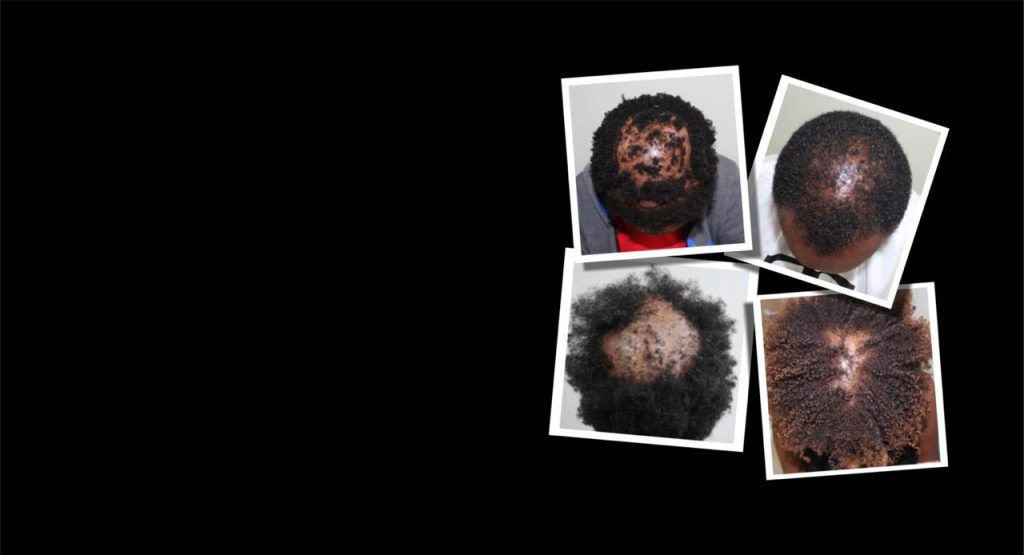
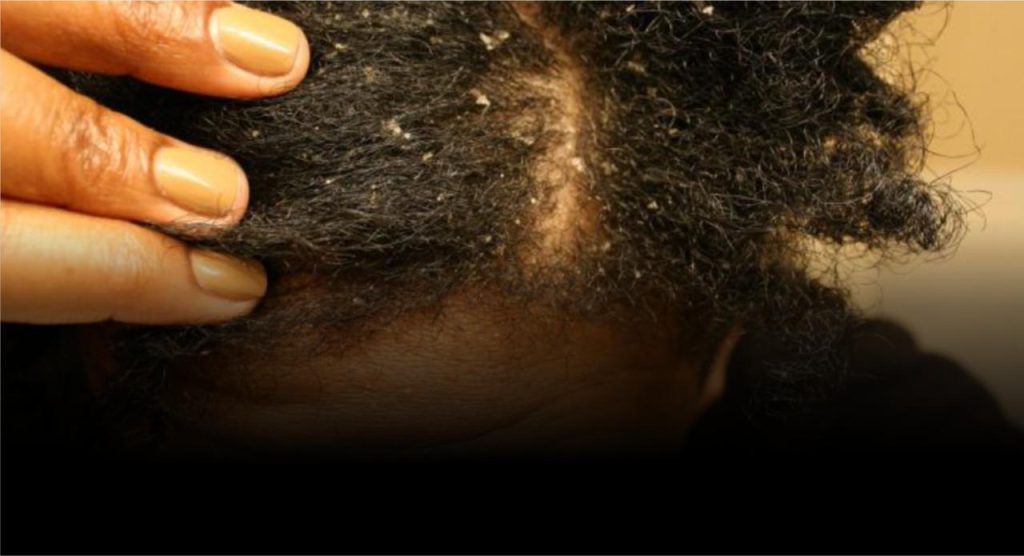
You’ve noticed it. Maybe your loctician has started joining two or three locs together just to keep them looking full. Maybe the partings between your locs have gotten noticeably wider. Maybe there’s a patch near your hairline or the crown of your head where things just feel… thinner.
If any of that sounds familiar, here’s the first thing I want you to know: your locs are not the problem.
Sisterlocs,
traditional locs,
freeform locs,
whatever style you’re wearing, having locs does not cause hair loss, or as we mostly call it hair thinning. That’s a myth that keeps too many people hesitant about installing a hairstyle they otherwise love.
So what is causing it? In my practice, thinning locs almost always trace back to one of four things: breakage, tension, inflammatory responses, or genetics. Sometimes it’s a mix of two or more. Let’s go through each one, what it looks like, and what actually helps.
1. Hair Breakage
Breakage is, by far, the most common reason locs start to thin, and it hits at some point in almost every loc journey. Afro-textured hair tends to be more fragile than other hair types, which makes locs wearers especially prone to it.
Coloring is one of the biggest culprits. That fresh, polished loc color you’ve been wanting can come at a cost if it’s not done carefully and professionally. Over-processing weakens the internal bonds that hold your hair strands together, and once those bonds are compromised, breakage follows. Sometimes this could happen instantly or days after the color appointment, which makes it easy to miss the connection. If you’re coloring your locs, have it done by someone who actually assesses your hair first to determine what would work best for you.
Dry, brittle hair is the other major driver, and it usually comes down to one thing: not enough moisture. Locs that aren’t consistently moisturized and conditioned become dry, weak, and prone to snapping, especially near the root, where the weight of the loc pulls hardest.
The reassuring part is that breakage-related thinning is usually reversible. Cutting back on chemical processing or doing it professionally, and building a real moisturizing routine can make a noticeable difference. If you’ve made those changes and you’re still losing hair, that’s your sign to see a trichologist and rule out anything else going on underneath.
2. Excessive Pulling and Tension
There’s nothing wrong with wanting your locs styled up, bundled high, or pulled back into a sleek ponytail. But when that styling is tight and constant, it puts ongoing tension on your hair.
At first, the tension just leads to breakage along the hairline, then thinning. Left unaddressed, it can go further: the constant pulling can damage the follicle itself, and a damaged follicle stops producing hair in that spot. Fewer active follicles in an area means lower hair density there, and lower density is exactly what makes a loc look thin.
Over time, that tension causes permanent loss of hair follicles, a type of hair loss called traction alopecia, and it shows up most often right along the hairline.
The remedy here is mostly about easing up. Give your hairline a break from tight styles, and pay attention if that area starts to feel tender or if you notice fine, wispy regrowth along the edges. That’s often the earliest warning sign, and catching it early makes a real difference in whether it’s reversible.
3. Genetic Hair Loss (Androgenetic Alopecia)
Sometimes thinning shows up in a very specific pattern: gradually, at the top of the scalp, around the temples, or as a slow recession of the front hairline. This pattern points to androgenetic alopecia, and it isn’t caused by styling at all. It’s genetic.
AGA happens when hair follicles at the crown become more sensitive to androgens, a group of hormones present in everyone, which causes those follicles to shrink over time in a process called miniaturization. The hair that grows from a miniaturized follicle is finer and shorter than before, and eventually some follicles stop producing hair altogether. It’s known as female pattern hair loss in women and male pattern baldness in men, and together they affect roughly half of all adults at some point after puberty.
If your locs are thinning from this, and tight twisting is layered on top of that already-miniaturizing hair, the thinning tends to accelerate. The genetics set the stage, but styling tension can speed things along.
The good news is that AGA is manageable, especially when it’s caught early. If this pattern sounds like what you’re seeing, a trichologist can confirm it and walk you through your options before more hair is lost.
4. Inflammatory Scalp conditions
It’s also worth knowing that some causes of thinning have nothing to do with locs at all, and would show up whether you wore locs or not. Central centrifugal cicatricial alopecia (CCCA) and lichen planopilaris (LPP) are two examples. Both are inflammatory, scarring types of hair loss that tend to start at the crown or top of the scalp, where they slowly destroy hair follicles and replace them with scar tissue. As follicles are lost, the hair in that area gets visibly less dense, and unlike breakage, genetic hair thinning or early stages of traction alopecia, this kind of loss isn’t reversible once scarring has set in.
Left unmanaged, it can progress to permanent bald patches. That’s exactly why early intervention matters so much here. If you notice thinning at the crown alongside itching, tenderness, redness, or scalp sensitivity, don’t wait it out. Catching one of these conditions early gives treatment the best chance of preserving the hair you still have.
Protecting Your Locs: A Few Practical Habits
- Get any color or chemical service done by a professional who assesses your hair first, not a one-size-fits-all process.
- Moisturize and condition consistently.
- Avoid styling that keeps your hair under constant tension, especially for long periods of time.
- Check your hairline and temples periodically. Tenderness, fine regrowth, or a receding edge are early signals worth acting on.
- If thinning continues after adjusting your routine, get it checked. Waiting only makes the situation worse.
Frequently Asked Questions
Do locs actually cause hair thinning? No. The locking process itself doesn’t thin your hair. Thinning locs are almost always the result of breakage, styling tension, or an underlying condition like genetic hair loss or inflammatory scalp conditions, not the locs themselves.
Can thinning locs grow back? It depends on the cause. Thinning from breakage or early traction alopecia often improves once the underlying habit changes. Thinning fromgenetic can be managed and slowed, though it needs a different, ongoing approach.
How do I tell traction alopecia apart from genetic thinning? Location is a useful clue. Traction alopecia tends to concentrate right at the hairline and other areas under direct styling tension. Genetic thinning typically follows a pattern at the crown, temples, or front hairline, regardless of how the hair is styled. A trichologist can confirm which one you’re dealing with.
When should I see a trichologist about thinning locs? If you’ve adjusted your styling and moisture routine and you’re still noticing widening parting, visible scalp, or a receding hairline, it’s worth getting a professional opinion sooner rather than later.
Locs remain one of the most versatile and enduring ways to wear natural hair, and thinning doesn’t mean you have to give them up. It means something specific is happening: breakage, tension, inflammation, or genetics- and each one has a real path forward once you know which it is.
If your locs have been thinning and you’re not sure why, don’t just wait and watch it get worse. Book a consultation with a trichologist who can examine your scalp up close and map out a plan that actually fits your hair.