
A practical, expert guide to understanding hormonal hair changes, scalp health, and how to manage hair during menopause.

Menopause hair loss happens to a lot of women. Studies suggest 50% of women experience noticeable hair changes during menopause. Even with this being the case, most of this is rarely spoken about. Most women go through menopause with hair concerns, while some never get a chance to really address these concerns. There is also a lot of misinformation around this subject, with the majority associating seeking help with vanity rather than an improvement in the quality of life.
Let’s see what causes these changes :
And are there solutions?
We will also answer some of the most frequently asked questions around hair and scalp health in menopause.
What Causes Hair Loss During Menopause?
There are several aspects that bring about hair and scalp changes during menopause. Hormonal shift is one of the major causes of these changes. One of the key hormones affected during menopause is estrogen. On a normal day, estrogen plays a critical role in:
regulating the hair growth cycle
Plays a role in the production of collagen and hyaluronic acid, which helps in remodeling the skin, creating an optimal environment for hair growth.
During menopause, the estrogen tanks decline. This estrogen decline is felt by the scalp environment and shows up in different ways, both on the hair and the scalp.
Common Menopause Hair Loss Signs and Scalp Changes
a) 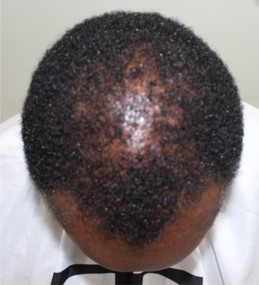
b) 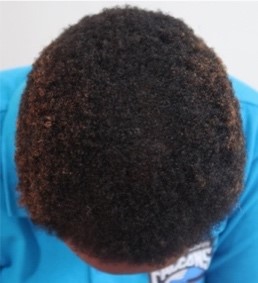
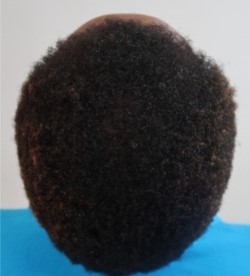
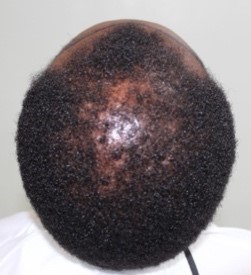
Fig 2: A case of female pattern hair loss(FPHL) in menopause (a) before treatment (b) after treatment
Widening of the midline parting
Also referred to as the Christmas tree sign, the hair at the top of the scalp starts to thin. Hair thinning during menopause leads to reduced density, and one may start noticing a wider parting or less hair. As the estrogen levels drop, the androgens, which are the male hormones even in their right levels, become more dominant. The dominance of the androgen hormone causes miniaturization of the hair follicles, a condition known as female pattern hair loss.
Hair texture changes.
Most women will complain of the hair feeling wiry, frizzy, and dry. One of the other important functions of estrogen is it plays a role in scalp and skin hydration. As estrogen levels drop, the scalp and the hair may get drier.
As we age, some of the cells that produce pigment that gives the hair its natural color also begins to wither away. As a result, grey hair emerges. Grey hair is coarse and could be dry.
As a result, grey hair that tend to be coarser and drier than usual emerges.
Excessive hair shedding.
Excessive hair shedding, also known as telogen effluvium, is a common occurrence in menopause. Again, estrogen is vital for keeping the hair follicles in the growing (anagen) phase for a long period of time. As the levels drop, the anagen phase is shortened, hair quickly and prematurely moves from the growing phase to the shedding(telogen) phase, causing excessive menopause hair shedding.
Receding hairline and eyebrow loss
One of the common menopause hair loss conditions is frontal fibrosing alopecia (FFA). FFA is an inflammatory condition that is characterized by progressive hairline recession accompanied by eyebrow loss, and sometimes may also present with a malar rash. Studies have linked FFA with declining estrogen levels. While being menopausal alone is not the only causative factor for FFA, it creates a conducive environment in genetically predisposed women.
a) 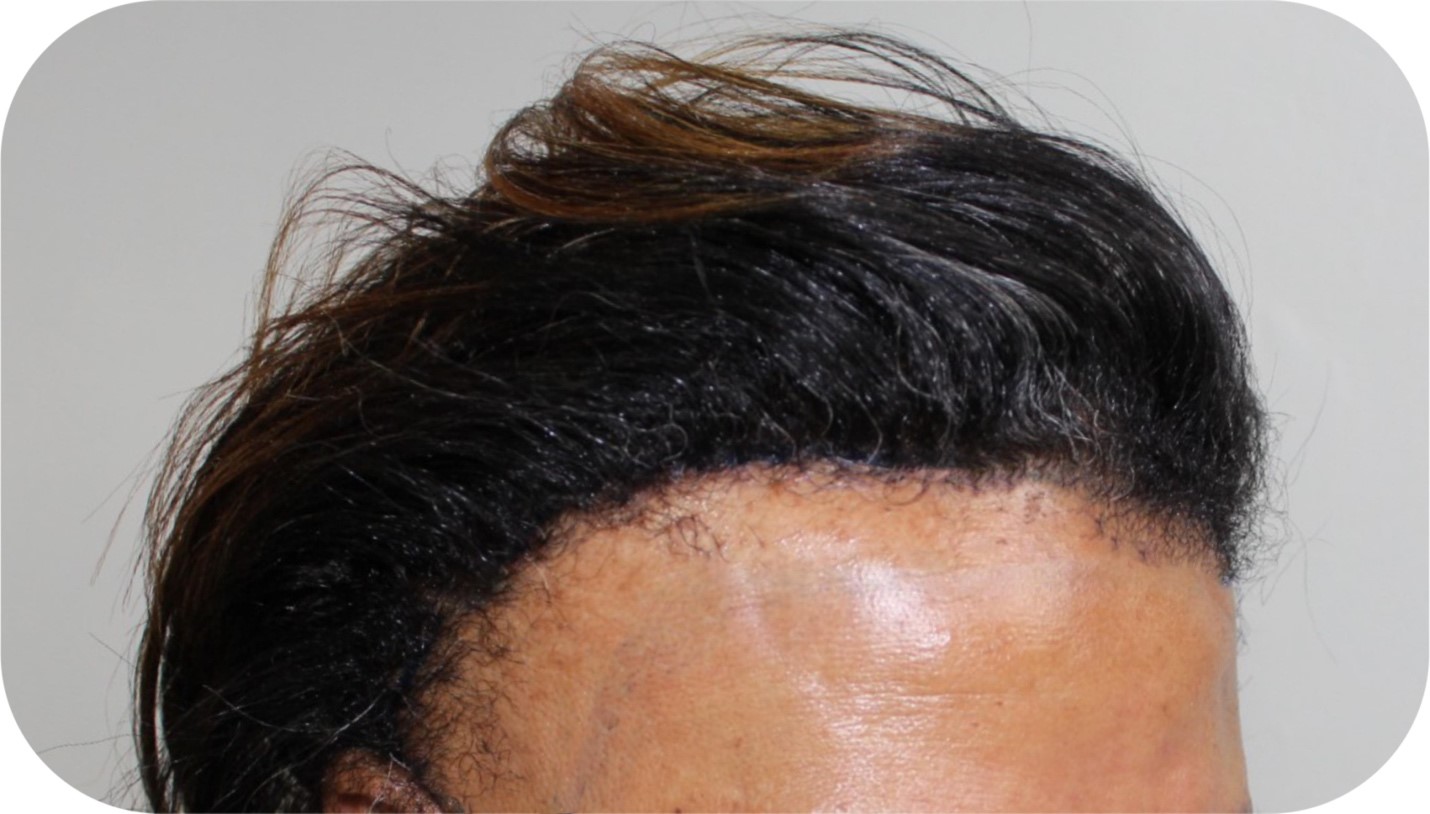
b) 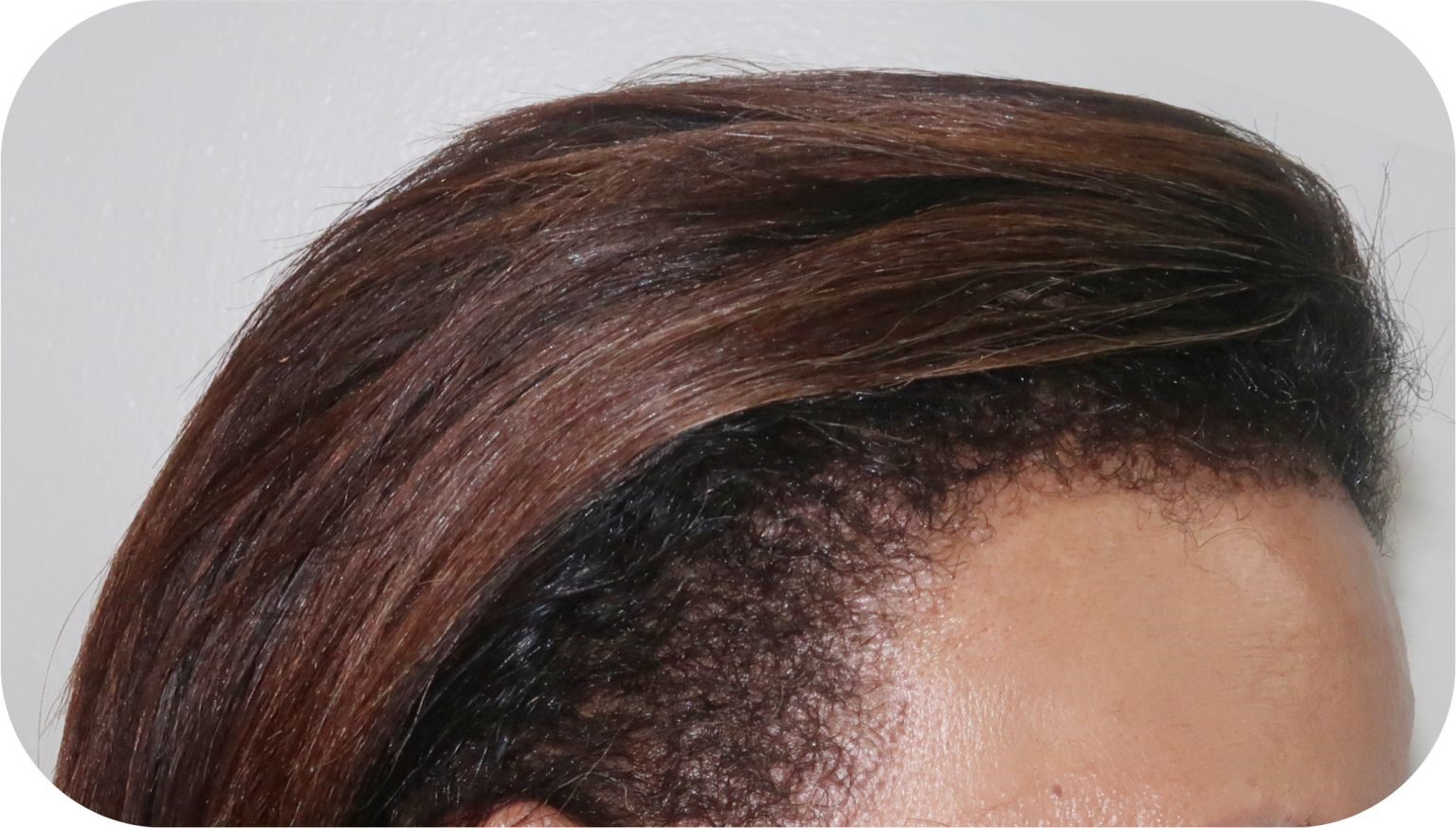
Fig 3: A case of frontal fibrosing alopecia (FFA) (a) before treatment (b) after treatment
Menopause Hair Loss: Frequently Asked Questions
1. Is menopause hair loss permanent or just a temporary phase of menopause?
Some hair loss conditions may lead to permanent loss of hair, while some preserve the hair follicles. With that being said, we have numerous interventions that thicken the thinning hair to restore density and prevent further loss, while others help manage excessive shedding and effectively stabilize hair growth. Some even restore lost hair follicles, such as hair transplants – a minimally invasive procedure that aims at introducing hair follicles to areas that have permanently lost hair follicles.
2. Will hormone replacement therapy fix my hair loss?
Hormone replacement therapy(HRT) replaces the estrogen and progesterone levels and has been shown to improve hair density, menopause hair thinning, and possibly improve hair shedding. However, HRT may not be the silver bullet for hair loss in menopause. Other interventions may be necessary to resolve inflammatory conditions, scarring hair loss, and improve miniaturized hairs.
3. What signs should I look for in menopause?
As we have discussed, the most common signs to look out for include:
- A receding hairline
- Lost eyebrows
- Texture changes
- Hair thinning
- A widening parting
- Excessive hair shedding
As much as these are the most common changes, every individual is different, and other changes may happen on the scalp and hair during menopause. Any change from the ordinary requires careful consideration and prompt intervention.
How to Manage Hair Loss During Menopause
Hair changes, such as dry hair and dry scalp, can be managed by incorporating hair care techniques aimed at keeping the hair and scalp well moisturized. Using hair care products that are gentle to the scalp avoids irritation and further discomfort.
However, hair loss presents differently in every individual, and I recommend having a specialist assess the hair and scalp to determine what works best for your type of hair loss or scalp concern.
If you’re experiencing changes and are unsure what they mean, drop us an SMS, WhatsApp, or simply call us, and we will be happy to walk with you on your hair restoration journey.